 China VIN Report
Charging Pile Compatibility: Can Chinese-made electric vehicles charge normally when taken back to their home country?
Many overseas customers worry: when purchasing a second-hand new energy vehicle from China and shipping it back to their home country, can it charge normally when plugged into a charging pile?…
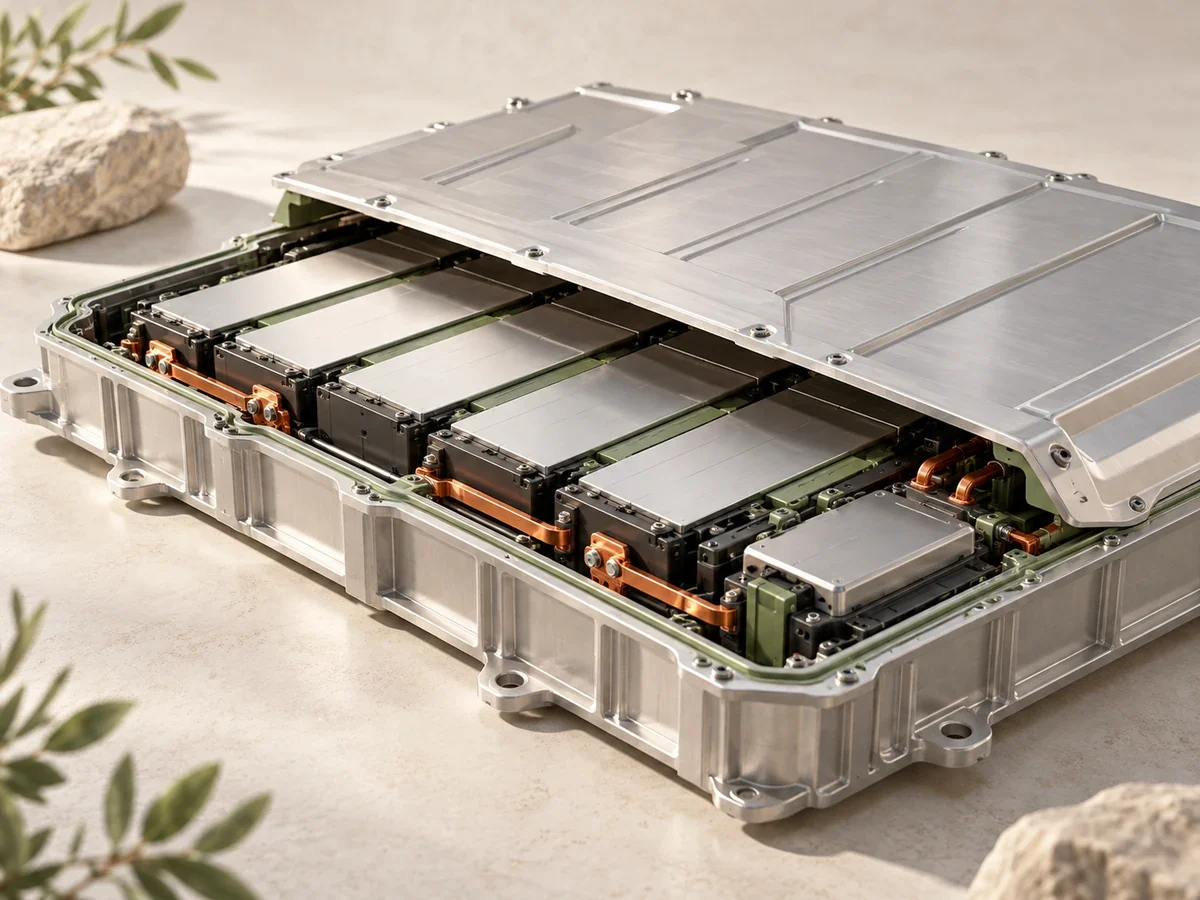
Many overseas customers worry: when purchasing a second-hand new energy vehicle from China and shipping it back to their home country, can it charge normally when plugged into a charging pile? Second-hand vehicles for the Chinese domestic market are equipped with the standard GB/T national standard charging interface as standard; most on-board chargers support wide voltage, but the interface form, Communication Protocol and mainstream charging standards in Europe, America and many Southeast Asian countries are not compatible, and supporting solutions are required for normal charging.
I. Distinguish between the two systems of AC slow charging and DC fast charging
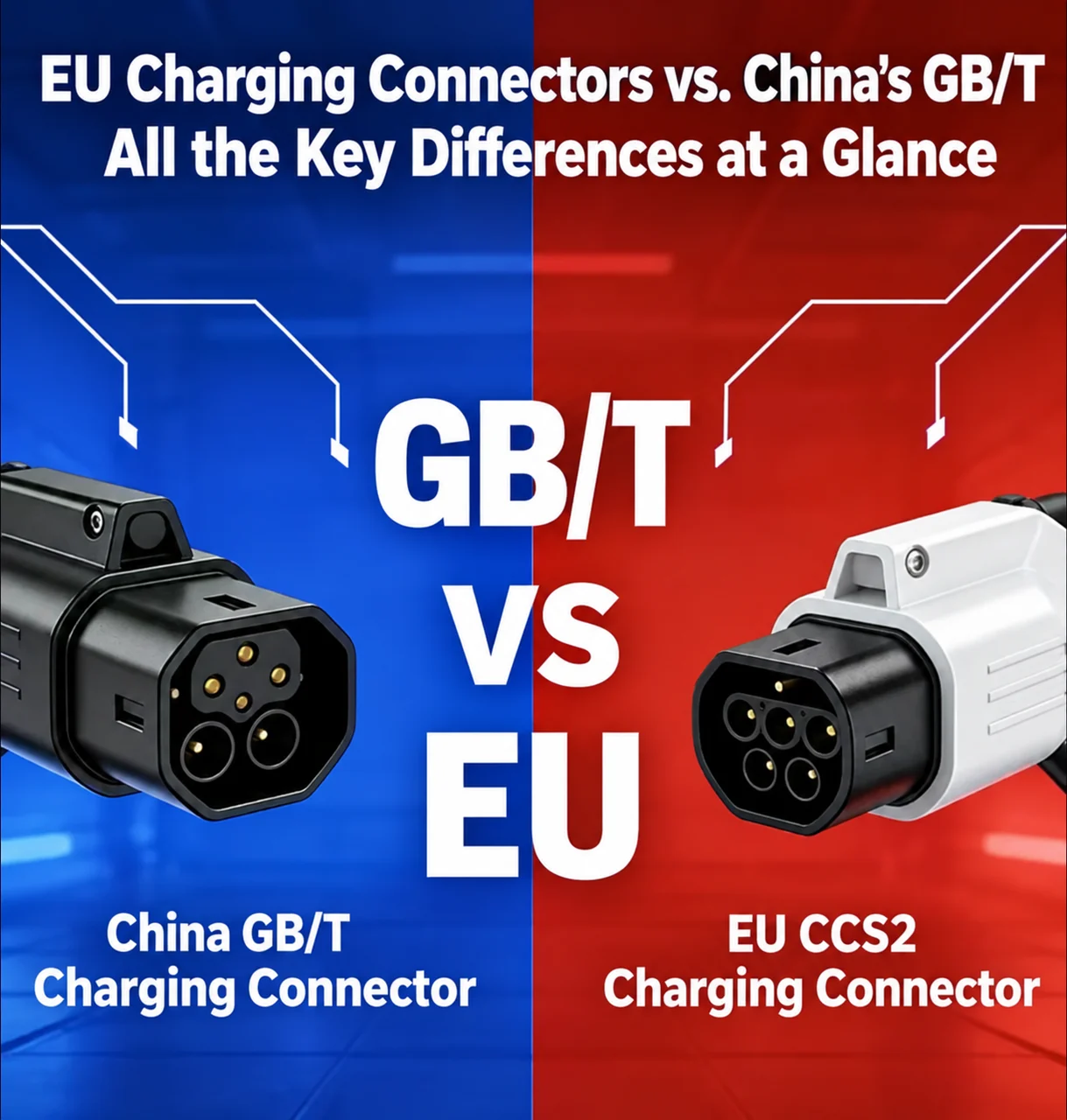
Domestic China-spec used electric vehicles adopt the GB/T national standard, featuring separate dedicated ports for AC slow charging and DC fast charging. The mainstream charging standards vary across countries: Europe primarily uses CCS2, North America uses CCS1, and some regions in Southeast Asia also adopt CCS2, none of which are physically compatible with the GB/T interface.
1.Household AC slow charging (AC slow charging)
Most domestic electric vehicle on-board chargers support wide voltage of AC 220V 50Hz / 60Hz.
As long as the household voltage in your country falls within the range supported by the vehicle nameplate, you can achieve household slow charging by using a "national standard AC charging gun + local socket adapter".
However, it also has certain limitations: the slow charging has low power, so it is only suitable for long-time battery replenishment at night.
Tip: Mains voltage in some countries is 110V, so please check the input voltage range of the on-board charger on the vehicle nameplate in advance, as older models may not support 110V.
2.Public DC Fast Charging (DC Fast Charging, the biggest challenge)
Most public fast charging stations overseas use CCS1/CCS2. A simple physical adapter is basically useless: apart from the different plug shapes, the communication handshake protocols between the vehicle and the charging pile also differ. When a cheap adapter is plugged in, recognition fails, fast charging cannot be initiated, and in some cases, charging may not work at all.
However, purchasing a GB/T ↔ CCS smart fast charging adapter with a protocol chip to realize protocol translation is a common solution for cross-border buyers; alternatively, directly purchasing locally available GB/T-spec DC charging piles that natively match the vehicle will deliver better long-term usage stability.
II. Other Key Factors Affecting Charging
Grid frequency: 50Hz / 60Hz, most new domestic electric vehicles are compatible with both; for older models, be sure to check the vehicle nameplate for confirmation.
Advantages of PHEV (Plug-in Hybrid Electric Vehicle): Plug-in hybrid models feature a relatively small battery capacity, which can be fully covered by household slow charging for daily commutes, resulting in lower reliance on public DC fast charging and less pressure on charging compatibility.
Battery BMS: The battery management system is built into the original vehicle, and its protection logic will not be altered due to charging overseas. As long as the charging handshake is successful, the battery temperature control and protection strategy remain consistent with those used in China, and compliant accessories will not damage the battery.
III. Practical Advice for Overseas Buyers
It is known in advance that the original factory configuration of China-spec used cars adopts the GB/T interface, which cannot be directly plugged into public CCS1/CCS2 fast charging piles, and separate adaptation accessories need to be prepared;
Check the vehicle nameplate before placing an order to confirm that the on-board charger supports the voltage and frequency matching the local power grid;
Charging adapters and conversion cables are third-party purchased accessories and are not included in the standard vehicle configuration; the transaction contract shall specify in advance that the vehicle's charging port conforms to the original GB/T standard, and compatible accessories shall be purchased by the buyer on their own.
When charging at home, be sure to ensure that the wiring is reliably grounded. AC charging for new energy vehicles has strict requirements for the ground wire, and poor grounding will cause error reports and make charging impossible.
FAQ
Q1: Can a cheap physical adapter alone enable DC fast charging?
A1: No. The Communication Protocols of CCS and GB/T are different. Only a smart adapter with a chip can complete the signal handshake and enable fast charging.
Q2: My country uses 110V household mains power. Is slow charging available for the car?
A2: It depends on the parameters of the on-board charger. Many new models support 110V, while most older models only support 220V. Be sure to check the vehicle nameplate in advance.
Q3: Will a qualified fast charging adapter damage the battery?
A3: Certified smart adapters only perform protocol signal conversion without modifying the vehicle's BMS strategy, thus posing no risk of battery damage; uncertified cheap adapters carry the risks of overheating and malfunction, and are not recommended for use.