 China VIN Report
Maintenance costs of used electric vehicles in the later period, and whether overseas repair parts are easy to purchase
Many overseas buyers worry: after purchasing a Chinese-made used new energy vehicle, will the later repair costs be high, and can spare parts be purchased locally? Here is a concise conclusion:…
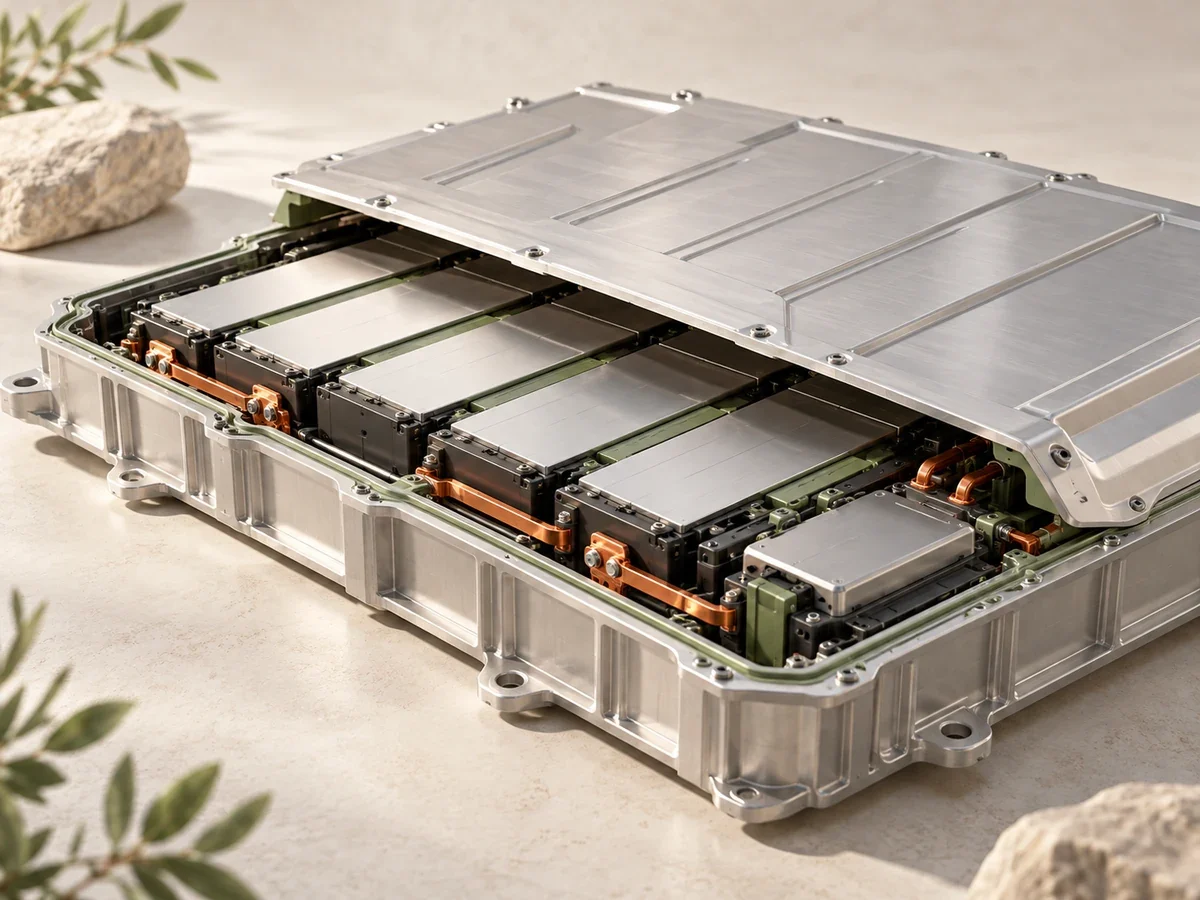
Many overseas buyers worry: after purchasing a Chinese-made used new energy vehicle, will the later repair costs be high, and can spare parts be purchased locally? Here is a concise conclusion: regular maintenance consumables are cheap and easily available; most of the three electric components and dedicated body electronic parts are not in stock locally, need to be ordered from China with a long waiting period, and there is a huge gap in repair costs.
I. Maintenance costs fall into two categories: routine maintenance vs. overhaul
✅ Routine regular maintenance (low cost)
Electric vehicles do not require engine oil or transmission oil replacement, and have very few routine maintenance items: air conditioning filter element, windshield wipers, tires, brake pads, brake fluid, cooling system inspection, and battery health diagnosis.
• Common parts such as brake pads, tires and 12V auxiliary batteries have available substitutes in the global market, with prices close to those of conventional fuel vehicles;
• Plug-in hybrid models require additional engine maintenance, with slightly more maintenance items than pure electric vehicles, but the maintenance frequency is much lower than that of traditional fuel vehicles;
• The overall regular maintenance cost is generally lower than that of fuel vehicles of the same class.
⚠️ High-voltage three-electric system and exclusive accessories overhaul (high cost)
Battery packs, motors, electronic control units, infotainment modules, exclusive headlights, and body panels are brand-exclusive components:
High unit price of accessories;
The maintenance threshold is high, and ordinary repair shops lack the high-voltage maintenance qualifications for new energy vehicles and dedicated diagnostic computers.
Once the battery pack needs to be replaced, it will be the most expensive repair item for the entire vehicle.
Comparison Tip: A near-new vehicle with low mileage has a very low probability of requiring major repairs in the early stage; for models that are more than 5 years old and have high mileage, the risk of three-electric system failures and maintenance expenses will increase significantly.
II. Availability of Overseas Accessories (Categorized into 3 Types)
Generic supplies (widely available)
Tires, brake pads, windshield wipers, filters, ordinary suspension rubber bushings, 12V batteries. Most of these parts can be directly replaced with universal aftermarket parts available on the market, no need to source from original manufacturer channels, and they can be purchased at local auto parts stores.
Brand-exclusive appearance/electronic components (basically no spot goods available locally)
Exclusive headlights, bumpers, infotainment screens, body shells and dedicated sensors.
• For popular overseas-expanding brands such as BYD, Geely and Haval, there are dedicated cross-border auto parts dealers that can ship goods from China;
• Transit time: 7–15 days for air freight, 20–40 days for sea freight;
• For rare older car models, spare parts are in short supply, so the waiting time will be extended to more than 2 months.
Core high-voltage components of the three-electric system (the most difficult to procure)
Battery modules, motors, electronic control BMS.
• Local ordinary repair shops hardly keep any inventory;
• Batteries are classified as dangerous goods, which are subject to special declaration restrictions for international air and sea freight, resulting in high logistics costs and complicated procedures;
• Preferred options: domestic used auto parts from dismantled vehicles, OEM aftermarket parts; brand-new genuine parts are extremely expensive.
Additional difference: For regions where the brand has set up local official showrooms/after-sales outlets (such as BYD in the Middle East, Southeast Asia, Australia, etc.), spare parts stock will be relatively sufficient; for countries without official outlets, all parts have to rely on cross-border ordering.
III. Procurement Suggestions for Overseas Buyers
Car selection priorities: Give preference to mainstream overseas-expanding brands such as BYD, Haval and Geely, as their auto parts supply chains are more mature; try to avoid niche models that have been discontinued or have an extremely small number in circulation.
Plan spare parts channels in advance: confirm domestic auto parts suppliers before placing orders, set aside time for parts procurement and cross-border logistics, and avoid scrambling to find replacement parts only after a breakdown occurs;
Maintenance technicians shall confirm in advance whether the local repair shop is qualified for high-voltage maintenance of new energy vehicles and equipped with diagnostic equipment for the corresponding vehicle model; only with such equipment can fault codes be read and battery testing be performed.
Budget reservation: In addition to the car purchase budget, it is recommended to set aside a dedicated reserve fund for maintenance to cover the replacement of three-electric system components or accident-damaged parts.
Pre-contract Disclaimer: The vehicle is a domestic used car officially sold in China, which is not covered by local official after-sales services. Exclusive spare parts need to be purchased cross-border with a waiting period, so customer expectations shall be managed in advance.
FAQ
Q1:For daily use, approximately how much does annual maintenance cost?
A1:Pure electric vehicles hardly require major maintenance. The annual upkeep mainly involves filter replacement and brake inspection, which normally costs within a few hundred US dollars. Plug-in hybrid models, being equipped with an engine, come with slightly higher maintenance expenses.
Q2: If the battery is damaged, can the battery cell be replaced separately, or is it necessary to replace the entire battery pack?
A2:It depends on the vehicle model design. Some models support replacing only the faulty battery cells individually, which incurs lower costs; many new models feature an integrated packaged battery pack, and most of their repair solutions involve directly replacing the entire pack, which comes at a very high expense.
Q3: Are aftermarket parts and used original parts reliable?
A3: For appearance parts and lamp parts, qualified aftermarket parts offer high cost-effectiveness; for high-voltage three-electric parts, the associated risks are high, and used parts from dismantled vehicles have complex sources, so they must be accompanied by inspection reports and selected with caution.