 China VIN Report
What can body gap inspection tell you?
Body panel gaps, namely the clearances between sheet metal components, serve as a low-cost method for quickly judging with the naked eye whether a vehicle has been involved in a collision and…
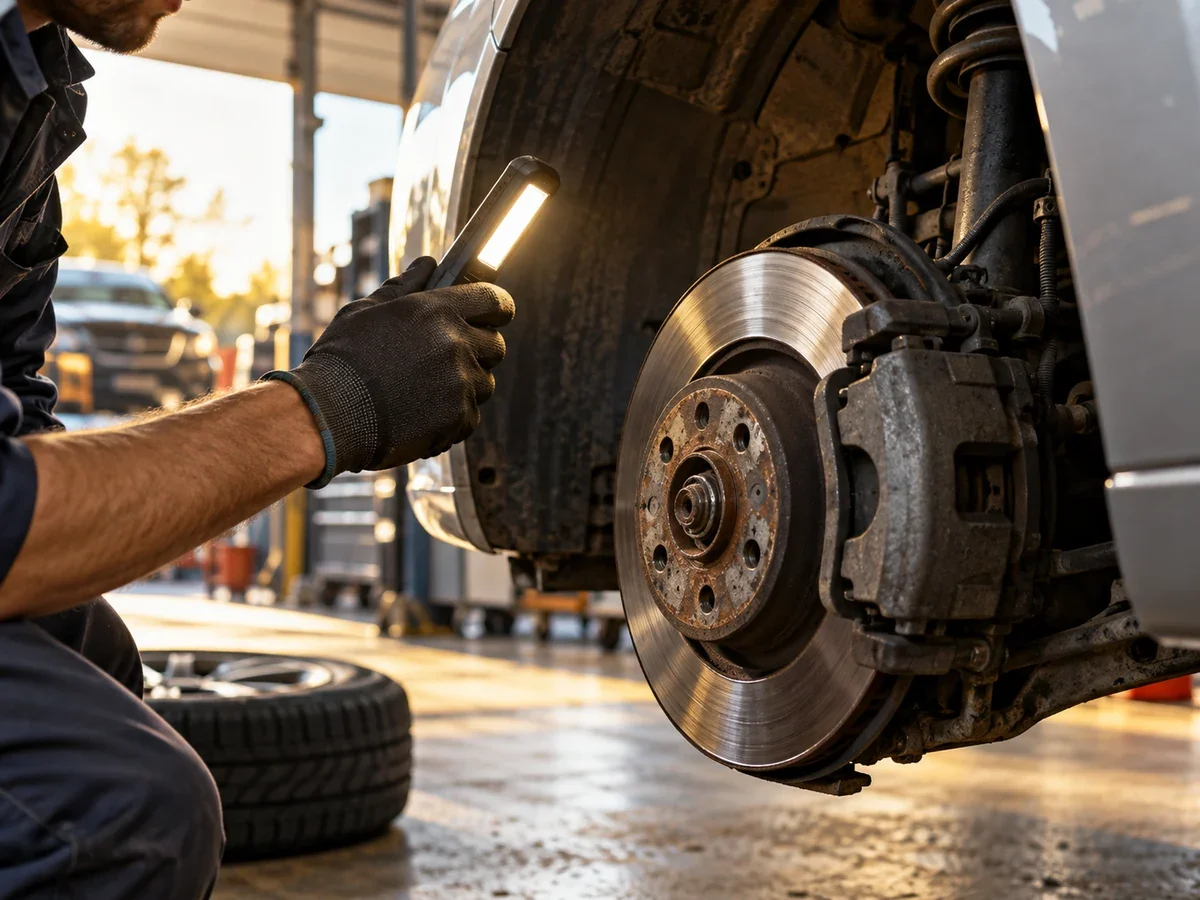
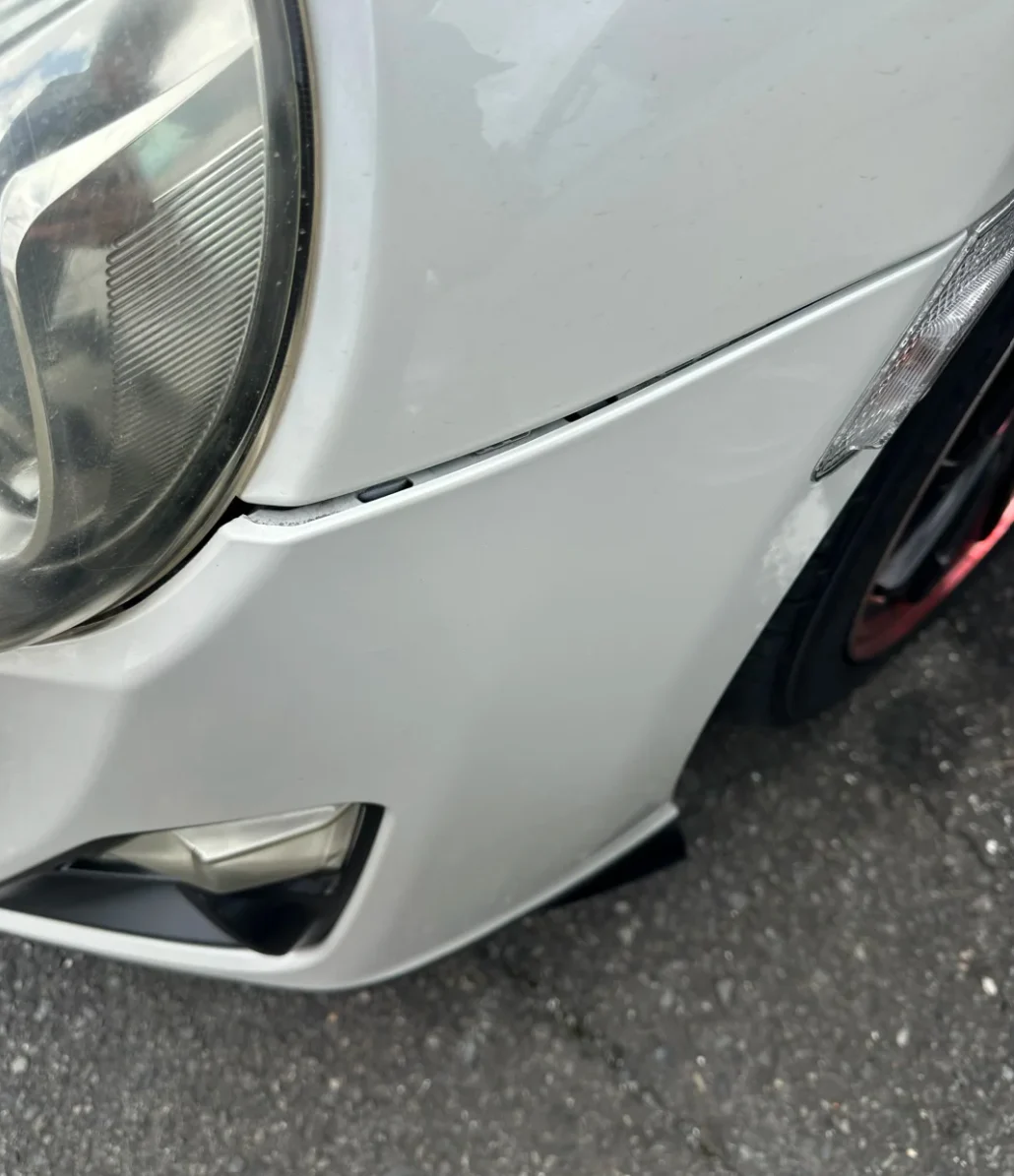
Body panel gaps, namely the clearances between sheet metal components, serve as a low-cost method for quickly judging with the naked eye whether a vehicle has been involved in a collision and repaired. When used in conjunction with a paint film thickness gauge, they can help us identify accident vehicles in advance.
However, abnormal body panel gaps do not necessarily mean that a vehicle has been involved in a serious accident. Factory assembly tolerances, component adjustments, routine repairs, and long-term use can also lead to similar phenomena.
Then, when inspecting a used car, how can we spot potential issues through the body panel gaps?
Check whether the doors, hood, tailgate and fenders have been disassembled and reassembled
When the original factory assembles the complete vehicle, the gaps on the same side are uniform and consistent in width. If the gaps around the door or the hood are wide on one side and narrow on the other, with obvious left-right asymmetry, there is a high probability that this component has been removed for repair or replacement.
Simple disassembly and repair do not necessarily indicate a major accident, but they show that the vehicle has a history of sheet metal work, so it is necessary to recheck the paint surface with a paint film thickness gauge as a key inspection step.
✅ 2. Distinguish between minor scratch repair and structural collision damage
Minor paint repair for scratches generally does not involve adjusting panel gaps;
If the gaps at the A-pillar, B-pillar, C-pillar, shock absorber tower top, and inner side of the fender are misaligned, distorted or mismatched, it usually indicates that the vehicle body frame has been impacted, and the vehicle is a structural accident car. Such vehicles have impaired rigidity and reduced safety in the later stage, so they are not recommended for procurement and export.
✅ 3. Identify aftermarket replacement parts
Original factory spare parts feature high mold precision and even, well-aligned gaps; after replacing the hood, doors and fenders with aftermarket parts, the low precision of these parts often leads to uneven gaps, misaligned surfaces and poor door-closing performance. Even if the paintwork is done perfectly, the ill-fitting gaps will easily give the game away.
✅ 4. Assist in determining whether there is deformation caused by water immersion or fire damage
After being soaked in water or burned, the body sheet metal and welding spots will deform due to heat and force, which will also cause misalignment of multiple gaps. This, together with the rust of the interior and the burnt traces of the wiring harness, shall be taken into comprehensive judgment.
⚠️ Important Reminder
Gap detection is only a preliminary screening method and cannot be used to draw a conclusion alone.
Some original factory models have mediocre assembly craftsmanship from the start, with uneven gaps even when they are brand new; on the other hand, some skilled repair technicians can adjust the gaps to be nearly identical to the factory standard after restoration.
The final conclusion must be comprehensively confirmed by combining the data of the paint film thickness gauge, weld spot inspection, chassis detection and computer fault codes.
FAQ
Do uneven panel gaps mean a car has been in an accident?
Not necessarily. Uneven panel gaps may result from factory tolerances, previous adjustments, component replacement or collision repairs. Further inspection is required to identify the cause.
Can panel gaps reveal hidden frame damage?
They can provide clues. Significant misalignment across multiple body panels may indicate underlying structural problems, but frame damage must be confirmed through professional inspection and dimensional measurements.
Can a repaired accident car have perfectly aligned panel gaps?
Yes. Skilled repairs can restore exterior panel alignment. Therefore, even gaps do not guarantee that a vehicle has never been involved in an accident.
Which panel gaps should buyers check first?
Start with the hood-to-fender gaps, door gaps, trunk gaps and bumper connections. Pay particular attention to left-right differences and areas where multiple panels show unusual alignment.
Should panel gap inspection be combined with a paint thickness test?
Yes. Comparing panel gaps with paint thickness readings can provide more useful evidence of previous body repairs. Neither method should be used alone to determine a vehicle's accident history.